
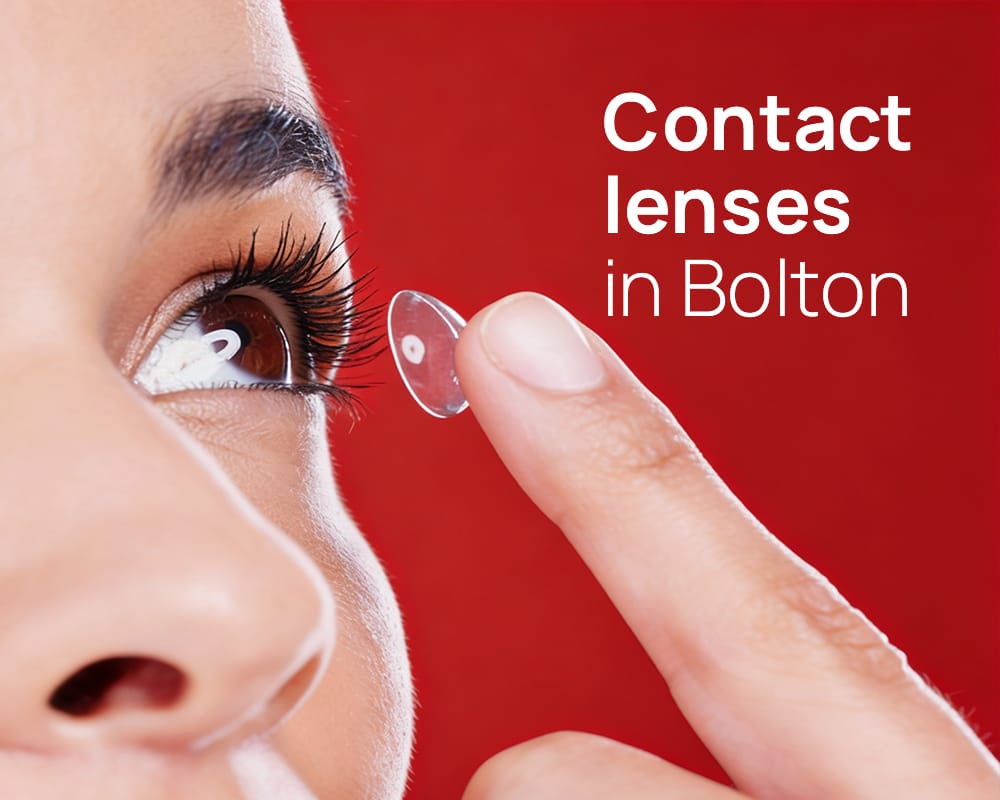
If your eyes feel constantly irritated, dry, or slow to recover after a procedure, regular glasses or standard lenses are probably not solving the real problem. Many people spend months dealing with that discomfort without knowing a more targeted solution exists. At Family Optical, we work with patients looking for contact lenses in Bolton and Georgetown who need care that goes well beyond a basic prescription. Therapeutic contact lenses are designed to protect, heal, and bring genuine relief to eyes that need more than ordinary eyewear can offer.
Finding the Right Contact Lenses in Bolton for Your Eye Condition
Most people assume every contact lens does the same job. You put them in, you see better, and that is it.
But your eye has very different needs depending on what it is going through. If you are healing after surgery, managing a corneal condition, or struggling with severe dry eye, a standard lens cannot meet those needs. It was simply never designed to.
Therapeutic contact lenses are medical grade lenses. Their primary job is not to correct your prescription. It is to protect your eye surface, support healing, and manage conditions that cause real, ongoing discomfort.
Think of them less like a vision tool and more like a medical device that happens to sit on your eye. Some act like a bandage over a healing wound. Others release medication slowly and consistently across the eye surface. Some vault entirely over a damaged cornea to create a smooth, stable surface that restores clearer vision and lasting comfort.
At Family Optical, every therapeutic lens recommendation starts with a thorough understanding of your eye condition, not just your prescription number.
Who Actually Needs Therapeutic Contact Lenses?
This is where many people finally find their answer. You may never have come across this type of lens before. But the signs that you need one are often already there.
Your cornea has changed shape due to keratoconus
Keratoconus causes the cornea to thin and bulge forward over time. Standard glasses cannot correct the distorted vision this creates. Scleral lenses vault over the irregular cornea entirely and fill the space with a fluid layer. The result is noticeably clearer vision and significantly reduced discomfort during everyday activities.
You are recovering from eye surgery
After a corneal transplant, LASIK, or another eye procedure, your eye surface is sensitive and exposed. Every blink creates friction against healing tissue. A bandage therapeutic lens sits over the cornea and reduces that friction. Recovery becomes less painful and more manageable, and healing happens without constant disruption.
Dry eye is affecting your quality of life
Dry eye is not just occasional irritation. When your eyes cannot produce enough tears or the right quality of tears, driving, screen time, and even reading become genuinely painful. Scleral therapeutic lenses hold a reservoir of fluid directly over the eye surface throughout the entire day. That constant moisture is something eye drops simply cannot match.
You have had a corneal ulcer or abrasion
A corneal ulcer or surface scratch is painful and slow to heal. The exposed area is irritated with every blink. A therapeutic bandage lens covers and protects the raw surface, allowing it to heal without continuous damage.
You have aphakia or significant post surgical complications
Aphakia the absence of the eye’s natural lens and certain post surgical conditions require long term management that standard glasses or regular lenses cannot provide. Therapeutic contact lenses offer the protection and stability these eyes genuinely need.
You have a chronic eyelid condition
Conditions like trichiasis, where eyelashes grow inward and scratch the eye surface, cause constant irritation with every blink. A therapeutic lens acts as a physical shield between the lashes and the cornea protecting the surface every moment you are awake.
If any of these situations sound familiar, a proper eye assessment is the right first step. When you book an eye exam bolton residents trust at Family Optical, we look beyond your prescription number. We evaluate the actual health of your eye surface and identify what is truly causing your discomfort.
The Real Benefits You Will Actually Feel
Therapeutic contact lenses are not just a clinical option listed on a chart. The difference they make in daily life is something patients genuinely notice from the first day of wear.
Your eye surface gets real protection
The cornea is exposed every second of every day. For eyes that are healing or managing a long term condition, that constant exposure causes ongoing damage. A therapeutic lens creates a physical barrier. It reduces friction from blinking, blocks airborne irritants, and gives the eye surface the space it needs to recover properly.
Healing after surgery becomes more comfortable
Without a protective lens, even the natural motion of blinking can slow recovery after eye surgery. A bandage therapeutic lens dramatically reduces post procedural pain and allows the corneal tissue to heal without outside interference. Patients often describe the relief as immediate.
Chronic conditions become manageable long term
Some conditions are not temporary. Keratoconus, severe dry eye, and certain post surgical complications need consistent, ongoing management. Therapeutic lenses make daily life genuinely more comfortable for people living with these conditions, not just for a few weeks but year after year.
Medication reaches the eye more effectively
Standard eye drops wash off the eye surface within minutes of application. Drug eluting therapeutic lenses release medication slowly and consistently for hours at a time. For patients managing post surgical inflammation or chronic infection, this level of sustained treatment makes a measurable difference in outcomes.
Your vision improves despite an irregular cornea
When the cornea changes shape due to keratoconus or scarring, glasses create blurry and distorted vision that no prescription adjustment can fully correct. A scleral therapeutic lens vaults over the irregular surface, fills the gap with a stable fluid layer, and creates a smooth optical front. Vision becomes clearer and more consistent, often dramatically so.
How Family Optical Fits Therapeutic Contact Lenses
Getting the right therapeutic lens is not a standard fitting process. It requires experience, precision, and a clinician who genuinely understands complex eye conditions.
At Family Optical, David Joseph brings over 35 years of hands on experience as a registered optician and certified contact lens fitter. He has spent his career fitting patients with keratoconus, aphakia, and post corneal surgery conditions, precisely the cases where therapeutic lenses make the biggest difference. At the Bolton location, Susan Joseph a graduate optician with more than 30 years of professional experience provides the same level of personalised care and precision that Family Optical has been known for since 1990.
Here is what the process looks like when you come in.
Step 1 — A full eye health assessment
Before anything is recommended, we evaluate the health of your cornea, tear film, and eye surface. This tells us exactly what your eye needs, not what a standard chart reading alone would suggest.
Step 2 — Corneal mapping where needed
For irregular corneas, we study the exact shape of your eye in detail so the lens fits perfectly and feels right from day one. This level of detail allows for a precise lens fit that a generic prescription simply cannot account for.
Step 3 — Trial fitting in clinic
You try the recommended lens while you are with us.We check how the lens feels on your eye, how well it sits, and how your eye responds to it before we finalise anything.
Step 4 — Follow up and ongoing monitoring
Therapeutic lens fitting is rarely a one visit process. We check on your eye health regularly, adjust the fit as your condition evolves, and monitor your progress over time.
Our team works closely with a trusted optometrist in bolton and Georgetown to ensure every patient receives a fully co managed care plan. That means you are not just getting a lens recommendation. You are getting a complete, coordinated approach to your long term eye health.
Common Questions About Therapeutic Contact Lenses
Are they the same as regular contact lenses?
No. Regular lenses correct your vision. Therapeutic lenses protect, heal, or manage a medical eye condition. Some also correct vision at the same time, but that is secondary to their clinical purpose.
Do they feel uncomfortable to wear?
Many patients are surprised by how comfortable scleral lenses actually feel. Because they vault over the cornea rather than resting directly on it, and because the fluid reservoir keeps the surface moist, irritation is significantly reduced compared to standard lenses.
How long will I need to wear them?
It depends entirely on your condition. Bandage lenses after surgery are typically temporary. Lenses for keratoconus or chronic dry eye often become part of your long term eye care routine. Your optician will guide you clearly based on what your eye actually needs.
Will I still need glasses alongside them?
Not necessarily. Many therapeutic lenses, especially scleral lenses, also correct your prescription at the same time. Whether glasses are still needed depends on your specific prescription and the lens type you are fitted with.
Is It Time to Book a Consultation?
If you have been managing ongoing eye discomfort without a clear solution, this is the right moment to look closer.
Consider booking a consultation if:
- Your eyes feel dry or irritated even after trying multiple products
- You have been told your cornea is irregular or has changed shape
- You are recovering from eye surgery and struggling with daily comfort
- Standard contact lenses do not sit correctly or cause persistent irritation
- You have a diagnosed condition like keratoconus, aphakia, or post corneal surgery complications
Do not wait for the discomfort to get worse. The sooner you get a proper assessment, the sooner your eyes can start to genuinely feel better.
Visit Family Optical – More Than an Optical Shop in Bolton
At Family Optical, we have been serving the communities of Bolton and Georgetown since 1990. Every single patient who comes to Family Optical leaves knowing their eyes are in safe hands and over 35 years, that is exactly what built our name as a trusted optical shop in Bolton.
David and Susan Joseph have spent decades building Family Optical into a place where every patient feels heard, cared for, and confident in the guidance they receive. Whether you need therapeutic contact lenses for a medical condition, scleral lenses for keratoconus, or honest expert guidance on where to start, we are here to help.
Family Optical – Georgetown Location 280 Guelph Street, Unit 18, Georgetown, ON L7G 4B1 905 873 3050 info@familyoptical.ca Eye Examination Direct Line: 905 873 0367
Family Optical – Bolton Location 12612 Highway 50, Unit 5, Bolton, ON L7E 1T6 905 857 5556 info@familyoptical.ca Eye Examination Direct Line: 905 857 7830
Book your consultation today and find out if therapeutic contact lenses are the right next step for your eyes.