
Your vision feels fine. No pain. No blur. Nothing seems wrong.
That’s exactly how glaucoma works. It moves in silently, and by the time you notice a change, some damage may already be done. This is why eye care in Bolton matters more than most people realize, especially once you’re past 40 or have a family history of the condition. Family Optical has spent decades helping patients catch these changes early, before they turn into permanent vision loss.
If you’re reading this because a parent has glaucoma, or your optometrist mentioned it, or you’ve simply noticed your vision isn’t quite what it used to be, you’re asking the right questions. Let’s walk through what actually matters.
What Glaucoma Really Does to Your Eyes
Glaucoma damages the optic nerve. This nerve carries visual information from your eye to your brain. Once it’s damaged, that damage doesn’t reverse.
The usual cause is pressure inside the eye building up over time. Think of it like a garden hose with too much water pressure. Eventually, something gives.
Here’s the tricky part. This pressure builds up slowly. You won’t feel it. Your eyes won’t hurt. Your vision in the center stays sharp for a long time.
That’s why glaucoma has earned the nickname “the silent thief of sight.” It steals your peripheral vision first, quietly, while your central vision stays clear enough to fool you into thinking everything’s normal.
Getting Reliable Eye Care in Bolton Starts With Knowing the Signs
Most people expect a warning. A headache. Blurry text. Something obvious. Glaucoma rarely gives you that.
Still, some changes are worth paying attention to. Watch for these:
- Trouble seeing at the edges of your vision, especially at night
- Needing more light to read or do close-up work than you used to
- Bumping into objects on your side that you didn’t notice were there
- Halos around lights, particularly at night while driving
- Frequent changes in your glasses prescription without a clear reason
None of these scream “emergency.” That’s the problem. People brush them off as normal aging or tiredness. A slow, gradual shift is much easier to ignore than a sudden one.
If any of this sounds familiar, don’t wait for it to get worse. A proper exam can catch what your eyes have been hiding from you.
Are You at Risk? Here’s What Actually Increases the Odds
Not everyone faces the same risk. A few factors push the odds higher.
Age plays a big role. Once you cross 40, your risk starts climbing. It keeps rising with every decade after that.
Family history matters just as much. If a parent or sibling has glaucoma, your own risk increases significantly. This is one of the strongest predictors doctors look at.
Other conditions add to the risk too:
- Diabetes
- High blood pressure
- Previous eye injuries
- Long-term use of steroid medications
- Extreme nearsightedness or farsightedness
Take someone in their early 50s, with a parent who has glaucoma, coming in for a routine check. No symptoms, nothing feels off. Yet a pressure reading can still reveal early signs before any vision is lost. That’s the entire point of screening before symptoms show up.
If two or more of these risk factors apply to you, a screening isn’t optional. It’s necessary.
The Two Types of Glaucoma You Should Know
Not all glaucoma looks the same. Open-angle glaucoma is the most common type. It develops slowly, often over years, with no obvious warning signs.
Angle-closure glaucoma is different. It can happen suddenly, causing eye pain, nausea, and blurred vision within hours. This type is a medical emergency.
Knowing the difference matters. One creeps up quietly. The other demands immediate attention. Either way, regular screening helps catch both before they cause lasting harm.
Can Glaucoma Be Prevented?
You can’t fully stop glaucoma from happening. Genetics and age play a role you can’t control.
Still, some habits help protect your eyes. Regular exercise supports healthy blood flow. Managing diabetes and blood pressure reduces strain on your optic nerve. Avoiding smoking helps too.
None of this replaces regular screening. Prevention lowers your risk. Early detection is what actually protects your sight.
What Happens if You Skip Regular Eye Exams
Skipping exams feels harmless when your vision seems fine. That’s the trap.
Glaucoma can progress for years without symptoms. By the time you notice blurred edges or missing peripheral vision, you’ve likely lost 25% or more of your optic nerve function already.
That loss is permanent. No treatment brings it back.
Regular exams catch problems while they’re still manageable. Skipping them trades short-term convenience for long-term risk you can’t undo.
Common Myths About Glaucoma
Many people believe glaucoma only affects the elderly. Not true. It can develop in your 30s, especially with a family history.
Others assume they’d notice symptoms early. Most patients don’t, until vision loss has already started.
Some think normal eye pressure means they’re safe. Even people with normal pressure can develop glaucoma.
Don’t rely on assumptions. A proper exam gives you real answers, not guesswork.
How Glaucoma Is Actually Detected
A lot of people picture eye exams as uncomfortable or complicated. In reality, glaucoma screening is quick and painless.
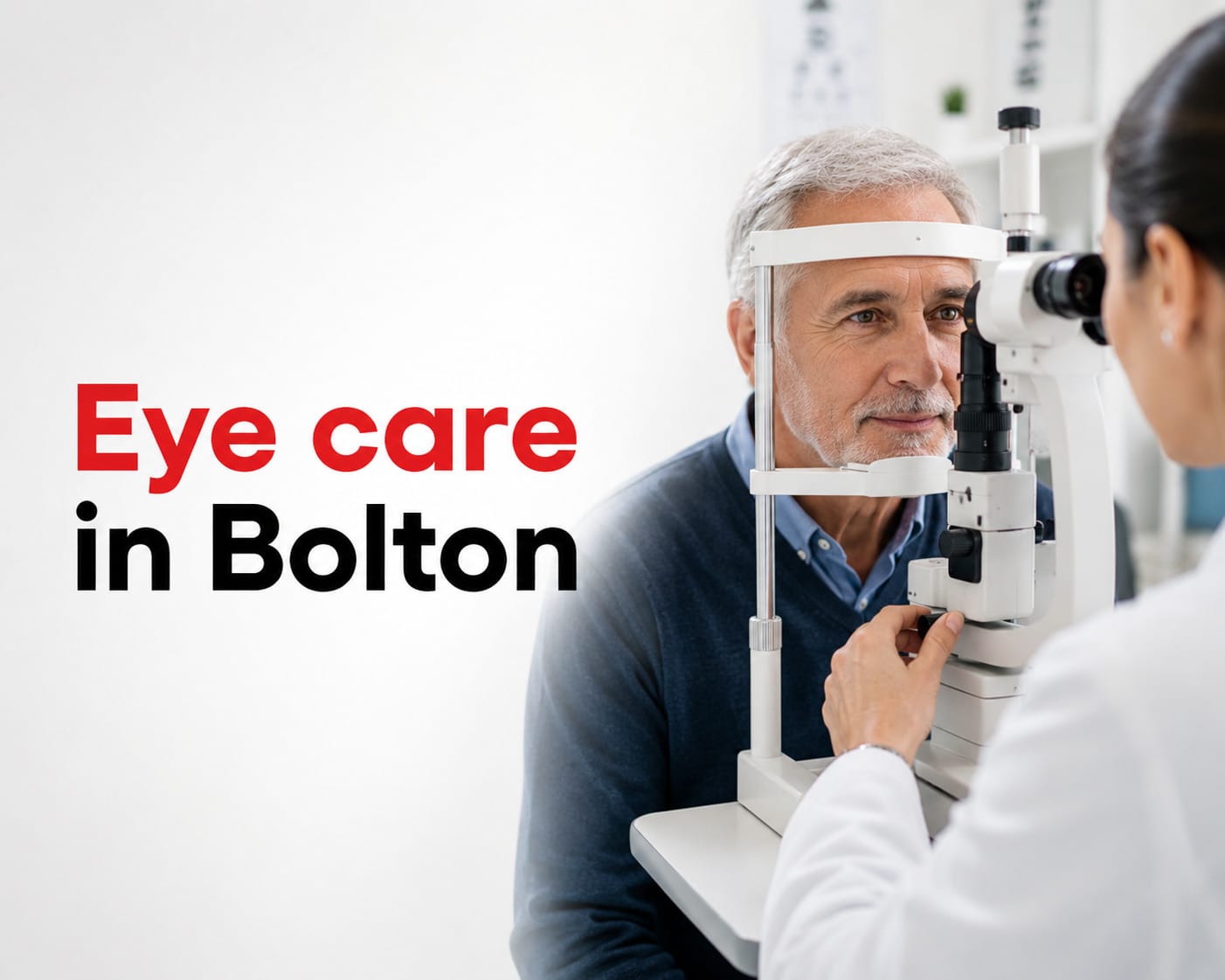
During an eye test Bolton residents typically go through, the optometrist checks a few specific things. First comes eye pressure, measured with a quick puff of air or a gentle instrument touch. Neither hurts.
Next, they’ll look directly at your optic nerve using specialized lighting. This shows whether the nerve looks healthy or shows early signs of stress.
Some patients also go through a visual field test. This maps out your peripheral vision and flags any blind spots you might not have noticed yourself. The whole process usually takes under 30 minutes.
Nothing about this exam is invasive. No needles, no discomfort, no downtime afterward. You walk in, sit through a few quick checks, and walk out with real answers about your eye health.
Why Catching It Early Actually Changes the Outcome
Here’s the part that matters most. Vision lost to glaucoma cannot be restored. Once the optic nerve is damaged, that portion of your sight is gone for good.
But early detection changes everything. Find glaucoma early, and treatment can stop it before it gets worse. Eye drops, pills, or small procedures can bring pressure down and keep the nerve out of harm’s way.
This is exactly why routine eye exams matter, even when nothing feels wrong. Waiting for symptoms means waiting too long. The goal isn’t to treat glaucoma after it’s caused damage. The goal is to catch it before it does.
Think about it this way. Would you rather find out today, with plenty of options available, or in five years, once vision loss has already set in? The choice is really that simple.
When Should You Book an Eye Exam?
If you’re over 40, you should be getting checked every one to two years, even without symptoms. If glaucoma runs in your family, or you have diabetes or high blood pressure, annual exams are a smarter call.
Noticed something in the list above? Don’t wait for your next scheduled visit. Book something sooner.
And If you’re looking for an eye exam near Bolton, regular comprehensive eye exams can help detect glaucoma early and protect your vision before symptoms appear.
Where to Get Checked in Bolton
You’ve read through the signs. You know your risk factors. Now comes the part that actually matters: doing something about it.
Family Optical has been serving families across Bolton and Georgetown for decades, with Susan Joseph bringing over 30 years of hands-on experience to every exam at the Bolton location. She’s seen firsthand how much difference early detection makes, and how much regret comes from waiting too long.
A trusted eye clinic in Bolton should do more than hand you a prescription. It should genuinely look out for your long-term eye health, flag early warning signs, and guide you toward the right next step, whether that’s monitoring, treatment, or simply peace of mind.
If it’s been over a year since your last exam, or you’ve never been screened for glaucoma at all, now’s the time. Call Family Optical at 905 857 7830 to book your eye examination, or reach out at info@familyoptical.ca. Your vision is worth protecting before you notice anything’s wrong.