
Winter eye health Georgetown residents need to understand becomes increasingly important as temperatures drop and harsh weather conditions arrive. At Family Optical, we’ve noticed a significant increase in eye-related concerns during the colder months, and we’re committed to helping our Georgetown community maintain optimal vision throughout winter. Understanding winter eye health Georgetown best practices can prevent serious complications and ensure your vision remains clear and comfortable all season long.
As your trusted Georgetown optometrist, we understand the unique challenges that winter presents to your eye health. From frigid winds and indoor heating to increased screen time and reduced outdoor activity, the winter months can take a serious toll on your vision and overall eye comfort. This comprehensive guide will help you navigate the season while keeping your eyes healthy, comfortable, and protected.
Understanding Winter Eye Health Georgetown Challenges
Winter eye health Georgetown residents experience differs significantly from other seasons due to our region’s specific climate conditions. Georgetown’s cold, dry winters create a perfect storm of environmental factors that can compromise your eye health in multiple ways. Protecting your winter eye health Georgetown style requires understanding these unique local challenges.
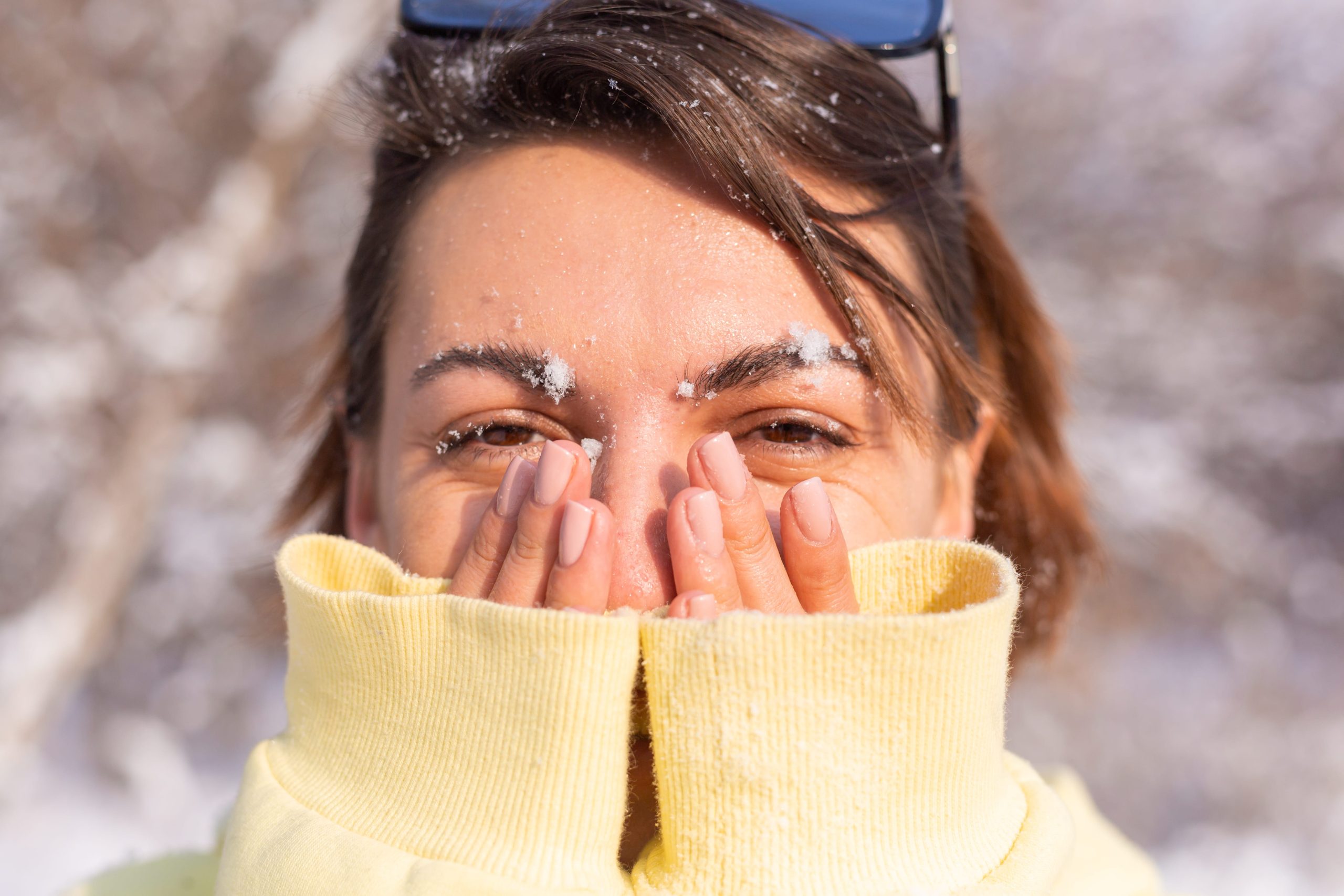
The combination of freezing outdoor temperatures and heated indoor environments creates extreme humidity fluctuations that directly impact your eyes. When you step outside into Georgetown’s winter air, the cold wind can cause excessive tearing, while heated indoor spaces strip moisture from your eyes, leading to uncomfortable dryness. This constant back-and-forth stresses your eyes’ natural tear production system, potentially causing chronic discomfort.
The Impact of Cold Weather on Your Eyes
Maintaining winter eye health Georgetown residents depend on starts with understanding how cold affects your vision. Cold air holds significantly less moisture than warm air, which means Georgetown’s winter atmosphere is inherently dry. When exposed to this dry, cold air, your tears evaporate more quickly than normal, leaving your eyes feeling scratchy, irritated, and uncomfortable. This condition, known as dry eye syndrome, affects millions of people during winter months and can significantly impact your quality of life.
Beyond dryness, cold temperatures can cause blood vessels in your eyes to constrict, reducing oxygen and nutrient flow to delicate eye tissues. This vasoconstriction can lead to temporary vision changes and increased sensitivity to light. For individuals with pre-existing eye conditions like glaucoma, these temperature-related changes can exacerbate symptoms and require closer monitoring by your Georgetown eye care professional.
Common Winter Eye Problems in Georgetown
Winter eye health Georgetown specialists at Family Optical frequently diagnose several seasonal eye conditions that peak during the colder months. Understanding these conditions helps you recognize symptoms early and seek appropriate treatment. When it comes to winter eye health Georgetown families trust, awareness is your first line of defense.
Dry Eye Syndrome
Dry eye syndrome tops the list of winter-related eye complaints. Symptoms include a gritty sensation, burning, redness, blurred vision, and paradoxically, excessive watering. Your eyes produce tears reflexively when they become too dry, which can seem counterintuitive but is actually your body’s emergency response to inadequate lubrication.
Indoor heating systems exacerbate dry eye by reducing relative humidity to levels as low as 10-20%, when eyes function best at humidity levels around 40-50%. This extreme dryness affects the lipid layer of your tear film, which normally prevents rapid evaporation. Without this protective layer, tears evaporate almost instantly, creating a cycle of chronic dryness.
Snow Blindness (Photokeratitis)
Many Georgetown residents don’t realize that winter sun exposure can be more dangerous to your eyes than summer sun. Winter eye health Georgetown experts warn that snow reflects up to 80% of UV rays, compared to water which reflects only 10-20%. This means when you’re enjoying winter activities like skiing, snowboarding, or even walking through Georgetown’s snow-covered parks, your eyes receive UV exposure from both direct sunlight and reflected rays from the ground.
Snow blindness, or photokeratitis, occurs when UV rays burn the cornea, similar to a sunburn on your eye. Symptoms typically appear 6-12 hours after exposure and include severe pain, light sensitivity, tearing, blurred vision, and the sensation of sand in your eyes. While usually temporary, repeated exposure can lead to long-term damage including cataracts and macular degeneration.
Winter Allergies and Eye Irritation
While many people associate allergies with spring and summer, winter allergens pose significant threats to eye health. Indoor allergens like dust mites, mold, and pet dander become more concentrated during winter when homes remain sealed against the cold. Forced-air heating systems circulate these allergens throughout your home, repeatedly exposing your eyes to irritants.
Winter allergies manifest as red, itchy, watery eyes often accompanied by swelling of the eyelids. These symptoms can be mistaken for infections or other conditions, making professional diagnosis by your Georgetown optometrist essential for proper treatment.
Increased Eye Strain from Indoor Activities
Winter months typically mean more time indoors, leading to increased screen time and reading. Georgetown residents often experience what’s called digital eye strain or computer vision syndrome, which includes symptoms like headaches, blurred vision, neck pain, and dry eyes.
The problem intensifies during winter because reduced natural light means you’re more likely to use digital devices in poorly lit conditions, forcing your eyes to work harder to focus. Additionally, when concentrating on screens, your blink rate can decrease by up to 60%, further contributing to dry eye symptoms.
Essential Winter Eye Health Georgetown Protection Tips
Protecting your winter eye health Georgetown style means taking proactive measures both indoors and outdoors. At Family Optical, we recommend a comprehensive approach that addresses all aspects of seasonal eye care. These winter eye health Georgetown strategies have helped thousands of local residents maintain comfortable, healthy vision through even the harshest winter conditions.
Outdoor Eye Protection
Always Wear Proper Sunglasses: Not all sunglasses provide adequate winter protection. Look for eyewear that blocks 99-100% of both UVA and UVB rays. Wraparound styles offer superior protection by preventing UV rays from entering from the sides. Polarized lenses reduce glare from snow and ice, improving both comfort and safety during winter activities.
At Family Optical Georgetown, we carry a wide selection of high-quality sunglasses specifically designed for winter conditions. Our opticians can help you select frames that provide maximum protection while complementing your style.
Invest in Sports Goggles: If you participate in winter sports like skiing or snowboarding, sports-specific goggles offer superior protection compared to regular sunglasses. Look for goggles with anti-fog coating, adequate ventilation, and 100% UV protection. Many modern goggles also offer interchangeable lenses to adapt to changing light conditions throughout the day.
Protect Against Wind: Wind alone can cause significant eye irritation and excessive tearing. Wraparound sunglasses or goggles create a barrier that reduces wind exposure. If you wear prescription glasses, consider having a second pair with wraparound frames specifically for winter outdoor activities.
Indoor Environmental Controls
Use a Humidifier: Installing a humidifier in your Georgetown home can significantly improve winter eye comfort. Aim to maintain indoor humidity levels between 40-50%. Humidifiers add moisture back into the air that heating systems remove, helping your tears maintain their protective coating and reducing evaporation.
Portable humidifiers work well in bedrooms and home offices where you spend the most time. Clean your humidifier regularly according to manufacturer instructions to prevent mold and bacteria growth, which can worsen eye irritation.
Position Heating Vents Strategically: Direct heat blowing on your face accelerates tear evaporation. If possible, redirect heating vents away from your primary sitting and sleeping areas. In offices, position your desk so that vents don’t blow directly toward your face.
Take Screen Breaks: Follow the 20-20-20 rule recommended by eye care professionals: every 20 minutes, look at something 20 feet away for at least 20 seconds. This simple practice reduces eye strain and encourages regular blinking, which distributes tears evenly across your eye surface.
Additionally, position your computer screen slightly below eye level and about 20-26 inches from your face. This positioning reduces strain and minimizes the exposed eye surface area, decreasing tear evaporation.
Children’s Winter Eye Health Georgetown Families Should Know
Parents often focus on keeping children warm during winter but may overlook eye protection. Children’s eyes are particularly vulnerable to UV damage because their pupils are larger and lenses more transparent than adults’, allowing more harmful rays to reach the retina. Winter eye health Georgetown parents prioritize should include comprehensive protection for young eyes.
Protecting Children’s Eyes Outdoors
Ensure children wear proper sunglasses with 100% UV protection during all outdoor winter activities. Make it fun by letting them choose frames they love, increasing the likelihood they’ll wear them consistently. Wraparound styles provide the best protection for active children.
For winter sports, invest in properly fitting goggles. Many children’s sports goggles can accommodate prescription lenses if needed, ensuring clear vision along with protection.
Managing Screen Time
Children often increase screen time during winter when outdoor play decreases. Establish healthy screen habits:
- Limit recreational screen time to 1-2 hours daily
- Ensure adequate lighting in play and study areas
- Encourage frequent breaks from close-up activities
- Position screens at appropriate distances and angles
- Watch for signs of eye strain including squinting, headaches, or rubbing eyes
If your child complains of vision problems or you notice them struggling with visual tasks, schedule a comprehensive eye exam. Many childhood vision problems are easily corrected if caught early, but can lead to learning difficulties if left untreated.
Winter Eye Health for Seniors in Georgetown
Seniors face additional winter eye health challenges beyond those affecting younger adults. Age-related changes in tear production, increased prevalence of dry eye syndrome, and higher risk of certain eye diseases require extra attention during winter months. Winter eye health Georgetown seniors need differs from standard care due to age-related factors.
Age-Related Dry Eye
Tear production naturally decreases with age, and this effect intensifies during winter. Seniors often take medications that further reduce tear production, including antihistamines, blood pressure medications, and antidepressants. If you’re experiencing worsening dry eye symptoms, discuss your medications with your healthcare providers to determine if alternatives exist that may have fewer effects on tear production.
Increased Fall Risk
Icy conditions combined with age-related vision changes increase fall risk during Georgetown winters. Ensure glasses prescriptions are current, as even small prescription changes can significantly affect depth perception and balance. Consider adding anti-reflective coating to glasses to reduce glare from snow and ice, improving visual clarity during winter conditions.
Monitoring Age-Related Eye Conditions
Seniors should maintain vigilant monitoring for conditions like:
- Cataracts: Clouding of the eye’s lens causing blurred vision and glare sensitivity
- Glaucoma: Increased eye pressure damaging the optic nerve
- Macular degeneration: Deterioration of central vision
- Diabetic retinopathy: Diabetes-related damage to retinal blood vessels
Winter’s reduced outdoor activity may mean subtle vision changes go unnoticed. Schedule regular eye exams to ensure early detection and treatment of these potentially sight-threatening conditions.
Conclusion: Your Partner in Winter Eye Health Georgetown
Winter eye health Georgetown residents need isn’t complicated, but it does require consistent attention and proper care. At Family Optical, we’re committed to helping our community maintain clear, comfortable vision throughout every season. As your trusted partner for winter eye health Georgetown solutions, we provide comprehensive care tailored to our local climate and community needs.
By understanding the unique challenges winter presents to your eyes and implementing the protective measures outlined in this guide, you can enjoy Georgetown’s winter beauty while keeping your eyes healthy and comfortable. From proper outdoor eye protection to managing indoor dryness, from nutrition to regular professional care, every aspect of winter eye health contributes to your overall visual wellness. These winter eye health Georgetown strategies work together to provide comprehensive protection.
Remember, your eyes are precious, and they deserve the same winter protection you provide the rest of your body. Don’t wait for symptoms to develop before taking action. Schedule your comprehensive eye exam at Family Optical today, and let our experienced Georgetown optometrists help you create a personalized winter eye health plan. Prioritizing winter eye health Georgetown residents benefit from means taking proactive steps before problems arise.
Whether you’re concerned about dry eyes, need new protective eyewear for winter activities, or simply want to ensure your vision remains optimal throughout the cold months, our team is here to help. Visit us at Family Optical Georgetown or call to schedule your appointment. Together, we’ll ensure your winter eye health Georgetown experience is comfortable, clear, and protected.
Schedule Your Winter Eye Health Appointment Today:
Family Optical Georgetown 📍 280 Guelph Street, Unit 18, Georgetown, ON L7G 4B1
📞 Phone: (905) 873 3050
📧 Email: info@familyoptical.ca
🌐 Website: www.familyoptical.ca
Protect your vision this winter – your eyes will thank you!