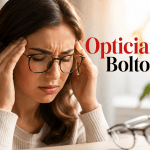


Spending hours on screens and ending the day with tired, dry, heavy eyes is a feeling most people know well. And if you have visited any eye glass store in Bolton recently, you have probably noticed blue light glasses displayed everywhere. They are marketed as the solution to every screen related eye problem. But do they actually work? Or is clever marketing doing most of the heavy lifting?
At Family Optical, we hear this question from patients almost every week. It is not a straight yes or no. Blue light glasses can help, but they are not the complete solution to digital eye strain. Understanding what they can and cannot do will save you time, money, and a lot of frustration.
What Is Digital Eye Strain?
You know that heavy, tired feeling in your eyes after a long day on a screen? That is digital eye strain. Doctors call it computer vision syndrome. More people have it than you think.
It does not stop at tired eyes either. People with digital eye strain regularly deal with symptoms that affect their entire day.
Common symptoms include:
- Dry or irritated eyes
- Blurred or unfocused vision after screen time
- Headaches around the eyes and temples
- Neck and shoulder tightness
- Hard to focus when you look away from the screen.
If you spend more than two hours on screens each day and most working adults do – there is a good chance you have experienced some of these. The uncomfortable part is that many people accept this as normal. It is not. And it is worth understanding what is actually driving it before you spend money on a fix.
What Is Actually Causing Your Eye Strain?
Most people do not expect this. Blue light gets blamed for everything screen related. But the science says something different.
Screens do emit blue light. But the amount they produce is significantly lower than what you receive from natural sunlight on any given day. The real causes of digital eye strain are usually something else entirely.
Reduced blinking is one of the biggest factors. You naturally blink around 15 to 20 times per minute in normal situations. On a screen, that drops to 5 or 6 times per minute. Less blinking means drier eyes. Drier eyes mean more irritation and discomfort building up through the day.
Fixed focus distance is another major cause. Your eyes were built to constantly shift between near and far objects. Staring at a screen at the same distance for several hours forces your eye muscles to stay tensed. That tension builds into real fatigue over time.
Poor screen setup plays a bigger role than most people expect. Glare, a screen that is too bright, or one that sits at the wrong height all add unnecessary strain to your eyes and your neck throughout the day.
An outdated prescription is something many people overlook entirely. If your lenses are not quite right, your eyes push harder to see clearly. Over several hours, that extra effort turns into noticeable discomfort.
Understanding the real cause matters. If blue light is not the main problem, blue light glasses are simply not the complete answer.
Where Blue Light Glasses Can Actually Help
To be fair, blue light glasses are not without real benefits. In the right situations, they do make a genuine difference.
They can reduce glare. Many blue light lenses include an antireflective coating. That coating cuts down on glare from screens and overhead lighting. Less glare means less squinting. Less squinting means less pain around your eyes by the end of the day.
They may improve your sleep quality. Blue light in the evening has been shown to reduce melatonin production. Melatonin is the hormone that tells your body it is time to sleep. Wearing blue light glasses in the two to three hours before bed may help you fall asleep faster and wake up feeling more rested.
They help people with light sensitivity. Some people are naturally more sensitive to bright or artificial light. For them, a filtered lens makes long screen sessions noticeably more comfortable.
So yes, blue light glasses do serve a real purpose. But the benefit depends entirely on why your eyes are struggling in the first place.
Where Blue Light Glasses Fall Short
Here is what most product advertising leaves out. Blue light glasses will not fix your eye strain if the real cause is something different.
If you are not blinking enough, a lens filter will not keep your eyes moist. A wrong screen height is a posture problem. No lens coating can fix that. If your prescription is old, your eyes will still hurt. No lens coating changes that.
This is exactly why visiting a qualified eye clinic Bolton makes such a meaningful difference. A professional does not just hand you a product. They look at your full eye health picture. They check your prescription, your screen habits, your working environment, and your overall vision health.
Real eye care Bolton means addressing the actual cause behind your discomfort not covering it up with a product. That is the step most people skip when they buy blue light glasses off a shelf and wonder why they still feel uncomfortable two weeks later.
Who Benefits Most from Blue Light Glasses?
Results vary significantly from person to person. Some people notice a real and immediate difference. Others feel very little change at all.
You are more likely to benefit from blue light glasses if you:
- Spend long hours on screens but have no significant prescription issues
- Struggle to fall asleep or wind down after evening screen use
- Work under heavy LED or fluorescent lighting for long periods
- Work under heavy LED or fluorescent lighting for long periods
- Experience mild eye discomfort that builds steadily as the day goes on
You are less likely to see meaningful results if your eye strain comes from an outdated prescription, poor screen ergonomics, or chronic dry eye. In those cases, blue light glasses offer only partial relief and miss the bigger issue entirely.
When Prescription Glasses Are the Better Option
If you have already tried blue light glasses and still feel uncomfortable, something more specific may be going on.
Computer glasses are designed specifically for mid distance vision. That is the distance between your eyes and your screen. They are different from regular reading glasses and different from your everyday distance prescription. They reduce the effort your eyes put into focusing at screen distance during long sessions.
For people who already wear glasses, an antireflective coating or a small prescription adjustment may solve the problem entirely. Sometimes the answer is simpler than you would expect.
At Family Optical, our opticians take the time to understand your screen habits, your daily work setup, and your current vision correction before making any recommendation. That conversation alone often reveals the real reason behind the discomfort you have been living with.
Simple Habits That Help More Than You Think
Before you spend money on anything, these habits can reduce eye strain significantly on their own. And they cost nothing.
Take regular screen breaks. Every 20 minutes, look at something far away for about 20 seconds. This gives your focusing muscles a real rest and stops tension from accumulating through the day.
Blink more deliberately. It sounds too simple to matter. But consciously blinking more often during screen use keeps your eyes from drying out over long sessions.
Match your screen brightness to your room. If your screen is much brighter than your surroundings, your eyes are working harder than they need to. Adjusting this one setting can make a real and immediate difference.
Position your screen correctly. The top of your screen should sit at or just below your eye level. Your neck stops hurting. Your eyes stay relaxed all day.
Increase your font size. If you are squinting to read, the text is simply too small. A small increase in font size removes unnecessary pressure from your eyes and makes long reading sessions far easier.
These changes often deliver more relief than any lens filter. Combine them with the right prescription glasses and the difference becomes even more significant.
So Do Blue Light Glasses Actually Work?
The honest answer is: sometimes, for some people, in specific situations.
They are not a miracle fix. But they are also not a gimmick when you understand what they can and cannot do. The real problem is that most people buy blue light glasses expecting a complete solution to a problem that actually has a different root cause.
If your eyes are genuinely struggling after long screen sessions, the smartest first step is a proper eye exam. A qualified optician who understands your vision and your lifestyle can give you a far more accurate and personalized answer than any product description ever could. That one visit could save you months of ongoing discomfort and unnecessary spending.
Visit Your Eye Glass Store in Bolton – Get the Right Answer
Your eye comfort is personal. Your prescription, your screen habits, your environment, and your daily routine all shape what is causing your discomfort and what will actually fix it.
If you are looking for clear and personalized guidance from people who genuinely care about your vision, come visit us at our optical shop in Bolton. Our team at Family Optical will check your eyes, listen to how you use screens, and tell you what will actually help. . Whether that is blue light glasses, an updated prescription, computer glasses, or a few simple lifestyle changes, we will help you find the right answer for your specific situation.
Your eyes deserve a proper answer. Not a guess.
Visit us at: 12612 Highway 50, Unit 5, Bolton, ON L7E 1T6 Call us: 905 857 5556 Email: info@familyoptical.ca